
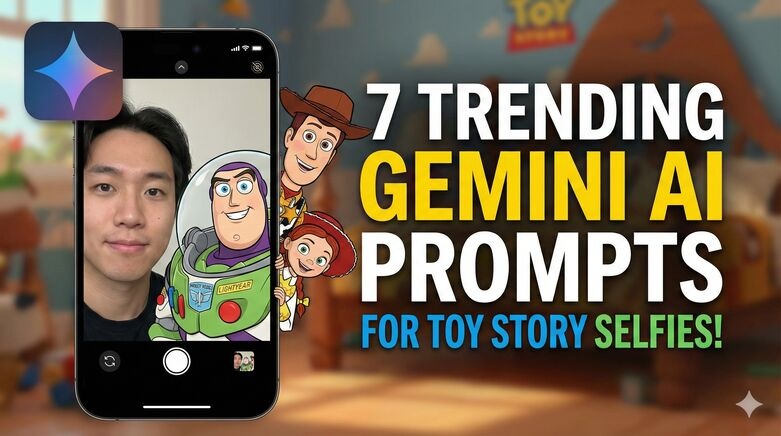
Introduction: The Magic of AI-Powered Selfies with Beloved Characters
In the exciting world of artificial intelligence, creating personalized images has never been easier or more fun. Google Gemini AI has revolutionized how we interact with our favorite characters, and one of the hottest trends right now is generating selfies with Toy Story characters. Whether you’re a longtime fan of Woody, Buzz Lightyear, or the entire gang from Andy’s room, these AI-generated images let you step into the magical world of Pixar’s most beloved franchise.
This comprehensive guide explores seven trending Google Gemini AI prompts that help you create stunning, personalized selfies with Toy Story characters. We’ll walk you through each prompt step-by-step, share expert tips for better results, and show you how to customize these prompts for your unique creative vision. Even if you’re completely new to AI image generation, you’ll find these instructions easy to follow and incredibly rewarding.
Why Google Gemini AI is Perfect for Toy Story Selfies
Before diving into the specific prompts, it’s important to understand why Google Gemini AI stands out as the ideal tool for creating these nostalgic images. Google Gemini is a powerful multimodal AI platform that excels at understanding detailed text instructions and transforming them into high-quality visual content.
The platform’s ability to render recognizable characters with accurate details makes it particularly effective for recreating iconic figures like Sheriff Woody, Buzz Lightyear, Jessie, and Bo Peep. Unlike basic image editing tools, Gemini’s image generation capabilities allow for unlimited creativity, letting you place yourself alongside these characters in any setting you can imagine—from outer space adventures to cozy scenes in Andy’s room.
Understanding AI Prompts: The Foundation of Great Images
An AI prompt is simply a text instruction that tells the artificial intelligence system what kind of image you want to create. The more specific and detailed your prompt, the better your results will be. Effective Gemini AI prompts typically include several key elements that guide the generation process.
First, you should mention the character names clearly—for example, “Buzz Lightyear” or “Woody the cowboy.” Second, describe the scene or setting where you want the action to take place, such as “in Andy’s room” or “outer space with stars.” Third, include stylistic cues like “Pixar animation style” or “photorealistic rendering.” Finally, add details about composition and lighting, such as “bright daylight” or “cinematic dramatic lighting.”
| Prompt Element | Purpose | Example |
|---|---|---|
| Character Names | Identifies specific Toy Story characters | “Buzz Lightyear and Woody” |
| Scene Description | Sets the location and environment | “in Andy’s sunny bedroom” |
| Style Cues | Defines the visual aesthetic | “Pixar animation style” |
| Lighting Details | Controls mood and atmosphere | “warm sunset lighting” |
| Composition Notes | Guides camera angle and framing | “close-up selfie angle” |
Prompt One: Epic Space Adventure with Buzz Lightyear
The first trending prompt takes you on an intergalactic journey with everyone’s favorite Space Ranger. This prompt works exceptionally well because Buzz Lightyear represents adventure, heroism, and the limitless possibilities of imagination—all themes that resonate powerfully in AI-generated imagery.
Recommended Prompt: “A dynamic selfie scene with me and Buzz Lightyear in his iconic white and green space suit, cinematic lighting with dramatic shadows, ultra-detailed textures showing reflections on his helmet glass, vibrant outer space background with distant planets and stars, both of us with joyful smiling expressions, photorealistic style with sharp focus.”
This prompt is trending because it captures the essence of space exploration while maintaining the personal connection of a selfie. The combination of photorealistic rendering with the fantastical elements of space travel creates visually striking images that people love to share on social media platforms.
To enhance this prompt further, consider adding specific camera angles such as “shot from a low angle for dramatic effect” or “wide-angle lens capturing the vastness of space.” You can also specify the aesthetic style more precisely by adding phrases like “cinematic sci-fi movie poster quality” or “reminiscent of Guardians of the Galaxy visual style.”
Prompt Two: Group Celebration in Andy’s Room
The second popular prompt brings together the entire Toy Story crew for a memorable group photo. This prompt perfectly captures the heart of what makes Toy Story special—the friendship and camaraderie among the toys.
Recommended Prompt: “A joyful group selfie with me standing among Woody, Jessie, Buzz Lightyear, Rex the dinosaur, Hamm the piggy bank, and Bo Peep in Andy’s colorful bedroom, bright natural daylight streaming through the window, everyone in playful happy poses, rendered in authentic Pixar animation style, ultra-high resolution with vibrant colors.”
This group selfie concept has gained massive popularity because it allows fans to feel like part of the beloved toy family. The setting of Andy’s room—a location instantly recognizable to anyone who has watched the movies—adds an extra layer of nostalgia and authenticity to the image.
For creative variations, you might change the setting to “Andy’s backyard during a summer picnic” or “inside a toy box with warm cozy lighting.” Adding seasonal elements like “birthday party decorations with balloons and streamers” or “Halloween pumpkins and costumes” can make the image even more personalized and unique.
Prompt Three: Wild West Portrait with Sheriff Woody
The third trending Gemini prompt focuses on creating an authentic Wild West experience with Sheriff Woody, the cowboy who has captured hearts since 1995. This prompt emphasizes the warm, nostalgic feelings associated with classic Western imagery.
Recommended Prompt: “A warm cowboy selfie featuring me and Sheriff Woody wearing his classic red plaid shirt and brown cowboy hat, both dressed in Western attire with denim and leather details, golden hour sunset lighting casting long shadows, stylized Toy Story aesthetic with soft edges and warm color palette, detailed fabric textures and expressions showing friendship.”
The Wild West theme works beautifully because Woody’s character design already incorporates so many iconic cowboy elements—from his sheriff’s badge to his detailed embroidered vest. The combination of these classic Western visual elements with modern AI image generation technology creates a bridge between traditional Americana and cutting-edge digital creativity.
To take this prompt to the next level, consider adding advanced elements like “shot with vintage film camera effect for authentic Western movie feel” or “motion blur on Woody’s hand as if he’s tipping his hat.” Environmental details such as “desert landscape with cacti in the background” or “wooden saloon doors behind us” can further enhance the immersive quality of the image.
Prompt Four: Retro Arcade Adventure with Buzz and Woody
The fourth viral prompt combines two powerful waves of nostalgia—the beloved Toy Story characters and the iconic aesthetic of 1980s arcade culture. This creative mashup has become incredibly popular among users who appreciate both Pixar animation and retro gaming culture.
Recommended Prompt: “A vibrant retro 1980s arcade selfie with me, Buzz Lightyear, and Woody surrounded by glowing neon lights in pink, blue, and purple, classic arcade game cabinets in the background including Pac-Man and Space Invaders machines, pixelated glow effects on our faces, all of us with excited fun expressions, ultra-detailed vintage style with film grain texture.”
This prompt taps into what social media experts call “double nostalgia”—the emotional connection to both Toy Story (released in 1995) and the arcade era that many millennials remember fondly. The combination of neon aesthetic, retro gaming references, and beloved animated characters creates shareable content that resonates across multiple age groups.
To customize this prompt, you can include specific arcade game references that match your personal interests, such as “Street Fighter II cabinet with glowing screen” or “Donkey Kong machine with visible gameplay.” Adding environmental details like “scattered arcade tokens on the floor” or “retro movie posters on the walls” helps create a more immersive and authentic 1980s atmosphere.
Prompt Five: Dreamy Fantasy Scene with Bo Peep
The fifth trending prompt takes a different creative direction by focusing on soft, ethereal imagery with Bo Peep, the porcelain shepherdess who became a breakout character in Toy Story 4. This prompt appeals to users who prefer gentler, more artistic compositions.
Recommended Prompt: “A whimsical dreamy selfie with me and Bo Peep in a magical pastel fantasy landscape, soft diffused lighting creating a glowing aura, blooming cherry blossom flowers and delicate butterflies, glittering sky with subtle sparkles, fairytale storybook vibe, detailed character features with emphasis on Bo Peep’s blue dress and shepherd’s crook, gentle pastel color palette in pinks, blues, and lavenders.”
This fantasy-themed prompt has gained particular traction on platforms like Instagram and Pinterest, where users appreciate more artistic and aesthetically refined imagery. The combination of soft lighting, pastel colors, and magical elements creates images that feel both nostalgic and contemporary.
For personalization, consider specifying particular seasonal settings such as “spring meadow with fresh blooming flowers” or “winter wonderland with gentle falling snow.” Mood descriptors like “ethereal glow with lens flare effects” or “gentle breeze moving Bo Peep’s dress” add dynamic elements that make the static image feel more alive and engaging.
Prompt Six: Futuristic Cyberpunk City with Toy Story Gang
The sixth innovative prompt reimagines Toy Story characters in an entirely new context—a futuristic cyberpunk metropolis. This creative approach demonstrates how AI image generation allows us to place beloved characters in settings that would never appear in the original films.
Recommended Prompt: “A futuristic selfie with me alongside Buzz Lightyear, Woody, and Rex reimagined as sleek digital avatars, towering neon-lit skyscrapers in the background, holographic advertisements floating in the air, high-tech city at night with rain-slicked streets reflecting neon colors, vivid purple and cyan lighting, ultra-realistic shading with cyberpunk aesthetic, all characters maintaining their recognizable features but with futuristic design elements.”
This prompt has become especially popular among younger users and tech enthusiasts who appreciate the fusion of classic Pixar characters with modern cyberpunk visual style. The contrast between the wholesome, family-friendly nature of Toy Story and the edgy, high-tech aesthetic of cyberpunk creates a visually compelling paradox that attracts attention.
To enhance this futuristic prompt, you can add specific cyberpunk elements like “flying cars in the distant sky” or “neon rain creating dramatic reflections on the ground.” Mood settings such as “mysterious atmosphere with cool blue tones” or “dynamic composition with diagonal leading lines” help create more cinematic and professional-looking results.
Prompt Seven: Halloween Costume Party with Toy Story Characters
The seventh and final trending prompt embraces seasonal creativity by featuring Toy Story characters in Halloween costumes. This prompt demonstrates how you can adapt the basic concept to match holidays, special occasions, or specific themes throughout the year.
Recommended Prompt: “A playfully spooky Halloween selfie with me and the Toy Story gang all dressed in creative costumes, Woody as a friendly vampire with cape, Buzz Lightyear as a ghost astronaut with sheet over his suit, Jessie as a witch with sparkly purple hat, eerie but not scary lighting with orange and purple glow, carved jack-o-lantern pumpkins around us, festive Halloween atmosphere, high-quality detailed render maintaining the fun family-friendly Toy Story spirit.”
Seasonal and holiday-themed prompts like this one perform exceptionally well on social media because they’re timely and shareable. Users love creating and posting these images around specific holidays, which increases engagement and visibility significantly.
For additional creativity, you can specify individual costume ideas for each character based on your preferences—perhaps “Rex the dinosaur dressed as a dragon” or “Hamm the piggy bank as a pirate with eye patch.” Environmental elements like “autumn leaves scattered on the ground” or “spooky but friendly haunted house background” add contextual richness to the final image.
Expert Tips for Crafting Superior Gemini AI Prompts
Now that we’ve explored seven trending prompts, let’s discuss proven strategies for improving your results with Google Gemini AI. These tips come from extensive testing and feedback from the active AI generation community.
First, always be specific with descriptions rather than using vague terms. Instead of saying “nice lighting,” specify “soft morning light filtering through window blinds creating horizontal light streaks.” Rather than “good quality,” describe “hyper-realistic textures with visible fabric weave and material details.” This level of specificity helps the AI understand exactly what you’re envisioning.
Second, include stylistic cues that guide the overall aesthetic direction. Terms like “Pixar animation style,” “photorealistic rendering,” “watercolor painting aesthetic,” or “1980s retro film photography look” give the AI a clear visual framework to work within. You can even reference specific movies or artists if you want to emulate a particular style.
Third, mention camera and technical details when you want a specific photographic feel. Including phrases like “shot on professional DSLR camera,” “wide-angle 24mm lens,” “portrait mode with shallow depth of field,” or “macro photography close-up” helps create images with more professional and polished characteristics.
| Tip Category | Basic Approach | Advanced Approach |
|---|---|---|
| Lighting | “Good lighting” | “Soft morning light, golden hour glow” |
| Quality | “High quality” | “Ultra-detailed 8K resolution, sharp focus” |
| Style | “Nice style” | “Pixar animation aesthetic, cinematic” |
| Mood | “Happy feeling” | “Joyful expression, warm nostalgic atmosphere” |
| Camera | “Take a photo” | “Shot on 50mm lens, portrait mode, f/1.8” |
The Power of Emotional Keywords in Your Prompts
One often overlooked aspect of creating compelling AI-generated images is the use of emotional descriptors. Words that convey feeling and mood significantly impact how the AI interprets and renders your scene. Instead of just describing what you see, describe how it should feel.
For example, rather than simply saying “Buzz and Woody are smiling,” you might say “Buzz and Woody display genuine joyful expressions with warm friendship evident in their body language.” Instead of “dark setting,” try “mysterious atmosphere with dramatic shadows creating tension and intrigue.”
Effective emotional keywords include terms like “joyful,” “nostalgic,” “whimsical,” “dramatic,” “serene,” “mischievous,” “adventurous,” “cozy,” and “epic.” These words help the AI understand not just the technical requirements of your image, but the emotional impact you want to achieve.
Testing and Iteration: The Key to Perfect Results
Even experienced users of Google Gemini AI rarely get perfect results on their first attempt. The process of creating truly outstanding AI-generated images involves experimentation and refinement. Think of your first attempt as a rough draft that you’ll improve through iteration.
After generating your initial image, analyze what worked well and what could be improved. Perhaps the lighting isn’t quite right, or maybe the characters’ poses feel stiff. Make small, specific adjustments to your prompt and try again. You might change “bright lighting” to “soft diffused golden hour lighting” or adjust “standing together” to “casually leaning toward each other in a friendly pose.”
Keep a document of your prompts and the results they produced. This prompt library becomes an invaluable resource as you learn which specific phrases and combinations work best for your creative vision. Over time, you’ll develop an intuitive understanding of how Gemini AI interprets different instructions.
Important Safety and Copyright Considerations
While creating AI-generated images with Toy Story characters is fun and creatively rewarding, it’s essential to understand the legal and ethical boundaries involved. Toy Story and all its characters are copyrighted properties owned by Disney and Pixar. Using AI to generate images inspired by these characters falls into a complex legal area.
For personal use—such as creating images for your own enjoyment, sharing with friends, or posting on social media as fan art—this activity is generally considered acceptable under fair use principles. However, you should avoid commercial exploitation of these images. This means you shouldn’t sell prints, use them in advertising, create products featuring them, or use them for any business purpose without proper licensing from Disney.
Additionally, always practice responsible AI use. Never generate harmful, inappropriate, or offensive content involving any characters. Don’t create misleading images that could spread misinformation. And never generate images involving real people without their consent, even if you’re placing them alongside animated characters.
Why This Trend Matters: Nostalgia Meets Innovation
The popularity of creating selfies with Toy Story characters represents something larger than just a fun social media trend. It exemplifies how modern artificial intelligence technology can create meaningful connections between people and the stories that shaped their childhoods.
Toy Story, released in 1995, was the first fully computer-animated feature film. It revolutionized animation and storytelling, creating characters that have remained beloved for nearly three decades. Now, in 2026, we’re using advanced AI image generation—another revolutionary technology—to interact with those same characters in entirely new ways.
This fusion of nostalgia and innovation demonstrates technology’s power to enhance rather than replace human emotional connections. When you create a selfie with Woody or Buzz Lightyear, you’re not just making a cool picture—you’re participating in a form of digital storytelling that bridges your real life with the imaginative worlds that influenced your perspective and values.
Beyond Toy Story: Expanding Your AI Image Generation Skills
Once you’ve mastered creating selfies with Toy Story characters, you can apply these same prompt engineering skills to countless other creative projects. The fundamental principles—being specific, using descriptive language, including stylistic cues, and iterating on your results—work for generating images of any type.
You might explore creating scenes with characters from other beloved franchises, historical figures, imaginary creatures, or entirely original characters. You could generate images for storytelling projects, educational materials, creative presentations, or personal artwork. The skills you develop through this fun Toy Story project transfer directly to more serious creative and professional applications of AI image generation.
As Google Gemini AI and similar platforms continue to evolve, we can expect even more impressive capabilities. Staying current with these technologies and developing strong prompt engineering skills now positions you at the forefront of this creative revolution.
Conclusion: Your Journey into AI-Powered Creativity Begins Now
Creating fun selfies with Toy Story characters using Google Gemini AI prompts is more than just a trending activity—it’s an accessible entry point into the transformative world of artificial intelligence image generation. Through the seven detailed prompts we’ve explored, you now have concrete examples and proven strategies for bringing your creative visions to life.
Remember that the true magic of AI image generation isn’t just in the technology itself, but in how you use it to express your creativity and personality. Don’t be afraid to experiment, customize, and make these prompts your own. Try combining elements from different prompts, adding personal details that reflect your interests, or creating entirely new scenarios featuring your favorite Toy Story characters.
Whether you’re recreating the epic space adventures of Buzz Lightyear, sharing a warm moment with Sheriff Woody in the Wild West, or bringing the whole gang together for a futuristic cyberpunk scene, these AI-generated images let you step into the beloved world of Toy Story in ways that were impossible just a few years ago.
Start with one of the prompts we’ve shared, generate your first image, and then let your imagination guide you forward. The journey of exploring Google Gemini AI’s image generation capabilities is ongoing and endlessly rewarding. With each image you create, you’ll develop a better understanding of how to communicate your creative vision to the AI, resulting in increasingly impressive and personalized results.
To infinity and beyond—your adventure in AI-powered creativity with Toy Story characters starts now!


